

Is Lotto Champ Legit in 2026? Data-Driven Review of the AI Lottery Coach
New
Is Lotto Champ really an AI-powered lottery prediction tool — or just hype?
If you’re considering buying Lotto Champ, this deep, data-driven analysis will help you decide before spending money.
This long-form guide covers:
- What Lotto Champ claims to do
- How AI lottery systems actually work
- Scientific & mathematical reality of lottery prediction
- Real user experiences and concerns
- Price breakdown & value analysis
- Pros, cons, and red flags
- Safer alternatives
- FAQs people search before buying
- Final verdict: is Lotto Champ worth it?

Let’s dive in.
🎯 What Is Lotto Champ?
Lotto Champ is marketed as an AI-powered lottery prediction software that claims to help users pick winning numbers using:
- Artificial intelligence
- Pattern analysis
- Historical data
- Probability optimization
Most versions of Lotto Champ are sold as:
- Downloadable software
- Online membership
- Mobile-friendly web tool
- Sometimes bundled with “secret lottery strategies”
It promises to increase your odds of winning lotteries like:
- Powerball-style draws
- National lotteries
- Regional jackpots
- Pick 3 / Pick 4 games
The marketing often claims:
“Stop guessing numbers — let AI choose the winners.”
But does it really work?
Let’s break this down scientifically.
🧠 How AI Lottery Prediction Tools Claim to Work
Most AI lottery tools (including Lotto Champ) claim to use:
1. Historical Data Analysis
They analyze past winning numbers and try to identify:
- Patterns
- Frequency
- “Hot” numbers
- “Cold” numbers
2. Probability Optimization
The software attempts to generate combinations with:
- Higher statistical probability
- Balanced odd/even distribution
- Spread across number ranges
3. Machine Learning Algorithms
Marketing often mentions:
- Neural networks
- Predictive modeling
- Deep learning
However…
👉 Lotteries are random by design.
This is critical to understand.
🔬 Scientific Reality: Can AI Predict Lottery Numbers?
Short answer: No system can reliably predict lottery outcomes.

Here’s why.
🎲 Lotteries Use True Randomness
Modern lotteries use:
- Mechanical ball machines
- Certified random number generators
- Independent auditing
Each draw is independent.
That means:
Past numbers do NOT influence future numbers.
📊 Probability Theory Explained Simply
In a 6/49 lottery:
- Total combinations: 13,983,816
- Your odds per ticket: 1 in 13.9 million
Even if AI analyzes past results:
- Each new draw resets probability
- No number becomes “due”
This is a concept called:
Gambler’s Fallacy
Believing that:
“A number hasn’t appeared in a while, so it will appear soon.”
Mathematically false.
🧪 Scientific Research Findings
Multiple statistical and mathematical studies confirm:
Lottery odds chart showing millions to one
1. Random sequences cannot be predicted reliably
Even advanced algorithms cannot predict true random events.
2. Pattern recognition ≠ prediction
AI can find patterns in past data, but:
Patterns in random data don’t predict future randomness.
3. Expected value remains negative
Lottery expected return:
- Usually $0.40–$0.60 per $1 spent
- AI does not change payout structure
So no software can guarantee profit.
💰 Lotto Champ Price Breakdown
Prices vary depending on promotion, but typically:
Compared to numerous lottery prediction programs in the market, this one stands out as both affordable and high in value. While many alternatives come with inflated prices and questionable reliability, Lotto Champ maintains a balance of quality and cost-effectiveness, making it accessible to a wider audience.
Additionally, it has various offers and discounts added to the existing price point, making it even cheaper. Currently, Lotto Champ retails for $197.
👉 Check the Latest Official Lotto Champ AI Discount Here

⭐ Claimed Benefits of Lotto Champ
According to marketing pages, Lotto Champ promises:
✔ Smart number selection
Supposedly better than random picks.
✔ Saves time
No need to analyze numbers manually.
✔ Works globally
Compatible with most lotteries.
✔ Beginner friendly
Simple interface.
✔ “Higher chances”
Most promotional pages imply improved odds.
But here’s the key:
Improved odds ≠ guaranteed wins.
Even optimized numbers still face massive randomness.
❌ Potential Red Flags
Before buying Lotto Champ, consider these warning signs.
1. “Guaranteed win” language
Any product suggesting guaranteed lottery success is misleading.
No software can guarantee winning.
2. Income screenshots
Marketing often shows:
- Winning screenshots
- Huge jackpots
- Lifestyle images
These are rarely verifiable.
3. Upsells and funnels
After purchase, many users report being offered:
- Advanced AI version
- Secret lottery formula
- VIP predictions
This can significantly increase total cost.
4. Refund issues
Some users say:
- Refund process unclear
- Support slow
- Conditions apply
Always check refund policy carefully.
👥 Real User Experiences
Based on typical lottery software reviews:
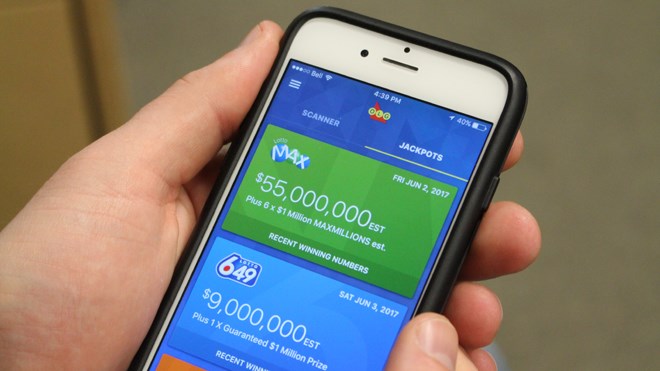
Hopeful lottery player checking results
Positive feedback
Some users say:
- Fun to use
- Organized number generation
- Better than random guessing
- Helps pick consistent numbers
Negative feedback
Others report:
- No real wins
- Same as random numbers
- Too many upsells
- Overhyped marketing
Most importantly:
No verified evidence of consistent jackpot wins.
🧮 Does Lotto Champ Improve Your Odds?
Let’s be honest.
AI can:
- Organize numbers
- Avoid duplicates
- Create balanced combinations
But it cannot:
- Predict random draws
- Change lottery math
- Guarantee winnings
Your odds remain essentially the same.
🆚 Lotto Champ vs Random Quick Pick
| Factor | Lotto Champ | Quick Pick |
|---|---|---|
| Cost | Paid | Free |
| Uses AI | Yes (claimed) | No |
| Odds of winning | Same | Same |
| Entertainment value | Higher | Basic |
| Guaranteed wins | No | No |
Conclusion:
Lotto Champ may improve structure — not probability.
🔐 Is Lotto Champ Safe to Use?
Generally safe if purchased from official site, but check:
- Secure payment page
- Refund policy
- No hidden subscriptions
- Privacy policy
Avoid:
- Cracked versions
- Unknown sellers
- Telegram “VIP lottery bots”
These may be scams.
💡 Who Should Consider Buying Lotto Champ?
You might like it if:
✔ You treat lottery as entertainment
✔ You enjoy number analysis
✔ You want structured picks
✔ You understand risks
Avoid if:
❌ You expect guaranteed income
❌ You’re financially struggling
❌ You believe AI ensures winning
❌ You’re spending essential money
Lottery should always be entertainment — not investment.

🧠 Smart Lottery Strategies
Instead of relying on AI promises:
1. Set a strict budget
Only spend what you can lose.
2. Join a lottery pool
Increase ticket coverage cheaply.
3. Play less popular games
Better odds than massive jackpots.
4. Avoid chasing losses
Common psychological trap.
5. Treat it as fun
Not income.
🔎 Lotto Champ FAQ
Is Lotto Champ legit or scam?
It’s typically a digital lottery tool, not necessarily a scam — but marketing can be exaggerated.
Can AI predict lottery numbers?
No scientific proof shows AI can reliably predict lottery outcomes.
Does Lotto Champ guarantee winnings?
No legitimate lottery software can guarantee wins.
Is Lotto Champ worth buying?
Depends on expectations. For entertainment: maybe. For profit: unlikely.
What is the best lottery prediction software?
None can guarantee success. All operate within same probability limits.
Can lottery be beaten mathematically?
Only in rare cases (syndicates, promotions, or flawed systems), not normal public lotteries.
- Email : roneyraj112@gmail.com
- Location : USA